
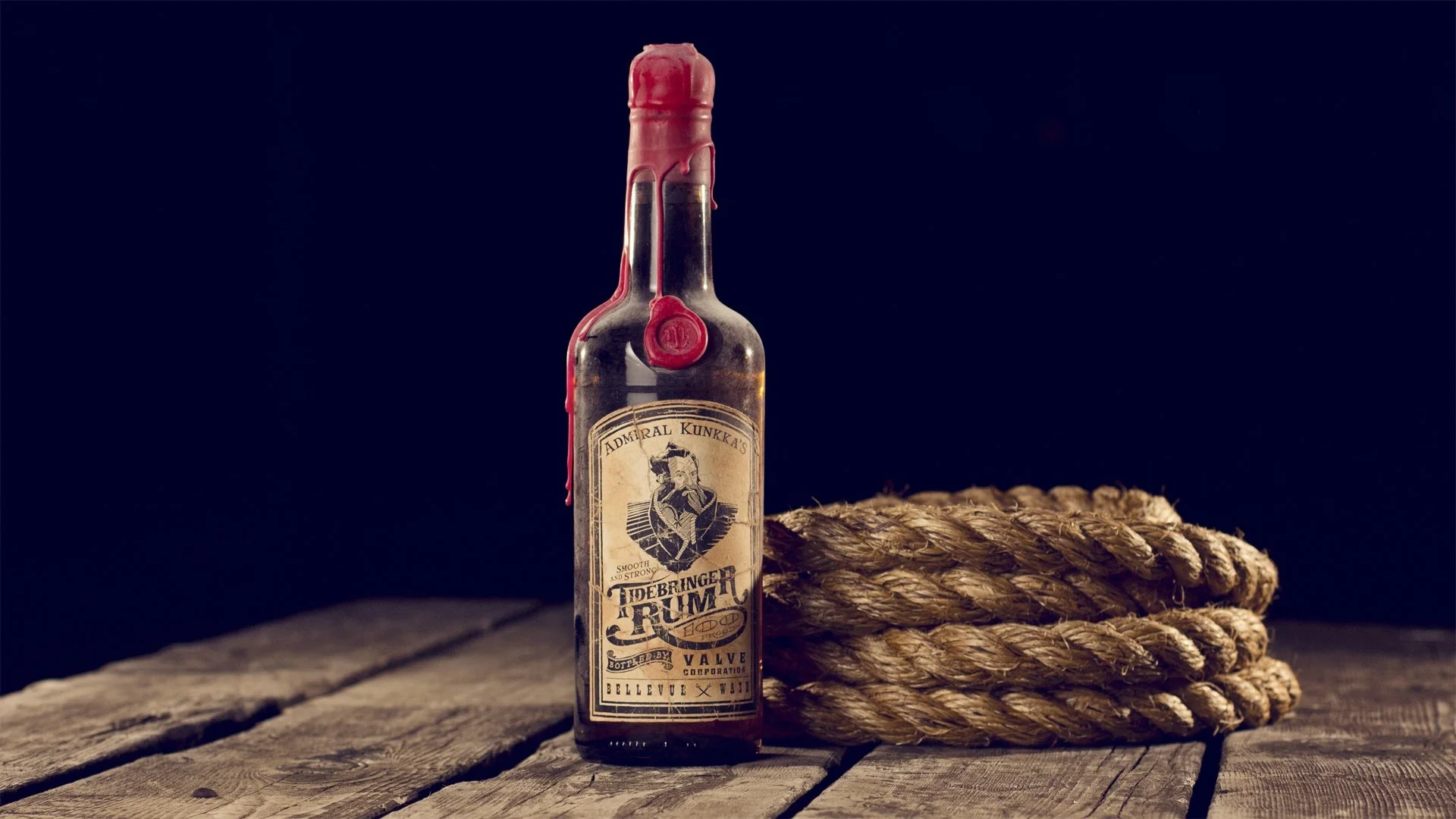
Rethinking Rum: Beyond Sweet Stereotypes
Ultimately, understanding rum is about moving past the sugar stereotype and appreciating the craft behind it.
Rum often gets a bad rap. Many people assume it is just a sugary spirit meant for sweet cocktails or tropical drinks. That perception is not entirely unfounded. Some rums are dosed with sugar to round out flavors, but that only tells part of the story. The truth is rum is an incredibly versatile spirit with a rich history and a wide range of flavors that go far beyond the syrupy sweetness many associate with it.
The misunderstanding starts with how rum is made. Rum begins its life as sugarcane juice, molasses, or syrup, but the magic happens during fermentation and distillation. Fermentation converts the sugars into alcohol, while distillation concentrates and refines the flavors. This process allows distillers to craft rums that range from light and crisp to deep, complex, and full-bodied. The addition of a small amount of sugar in some commercial rums does not define the spirit. It is often used to balance flavors, not to mask them. Quality rums are never overly sweet. They offer layers of character that reveal themselves sip by sip.
Many of us remember our first encounters with rum in cocktails, tropical drinks laden with sugar served over ice. Those drinks can leave a lasting impression, but they do not reflect the true potential of rum. In fact, rum can be just as nuanced and sophisticated as whiskey, gin, or brandy. Its flavor profile depends on factors such as the type of sugarcane product used, the fermentation method, the still, and the aging process. This diversity means that rum is not a single style. It is a category full of expression and creativity.
One of the most exciting things about rum is its global reach. Different regions have their own styles and traditions, which makes exploring rum a journey around the world. From the light, aromatic rums of the Caribbean to the rich, robust, molasses-forward rums of Latin America, there is a rum to suit nearly every palate. Even within a single country, distillers can experiment with aging techniques, barrel types, and blends, creating limited editions and unique flavors that expand what rum can be.
Rum is also incredibly versatile in cocktails. It can provide a gentle backbone for classic drinks like the Daiquiri or Mojito, or it can shine on its own in a neat pour or on the rocks. Its adaptability makes it a favorite among bartenders and home mixologists, offering endless opportunities for experimentation and creativity.
Ultimately, understanding rum is about moving past the sugar stereotype and appreciating the craft behind it. It is a spirit with depth, complexity, and character, capable of surprising even the most seasoned drinkers. Whether you are exploring single-origin rums, small-batch releases, or crafting your own cocktails at home, there is never been a better time to discover what makes rum truly special.
Next time you reach for a bottle, take a moment to savor it. You might find that rum is one of the most versatile and exciting spirits on the planet.
-CM

Molasses vs Sugar
What should we make our rum from? There are several options out there: refined sugar, cane syrup, raw sugar blends. But we’ve made a clear choice. We’re choosing molasses—and here’s why.
Why We're Choosing Molasses Over Sugar
At Carleton’s Prize Distilling, we’re building something from the ground up—and every decision matters. Before the stills are turned on, before the first batch is fermented, we’ve had to ask ourselves some essential questions. One of the biggest? What should we make our rum from? There are several options out there: refined sugar, cane syrup, raw sugar blends. But we’ve made a clear choice. We’re choosing molasses—and here’s why.
Honoring the Roots of Rum
Molasses is more than just a byproduct of sugar production. It’s the foundation of traditional rum. For centuries, distillers from the Caribbean to colonial New England relied on molasses to create a spirit with depth, richness, and identity. Choosing molasses isn’t just about ingredients—it’s about respecting history and building on a legacy we believe in.
A Choice That Starts at the Source
We plan to use fancy-grade molasses, chosen not just for sugar content, but for its contribution to aroma, minerality, and complexity. Every step of the process—from fermentation to distillation—will reflect that bold, natural starting point. We believe the best rum doesn’t begin in the bottle. It begins in the wash.
Anchored in New England’s Spirit
Carleton’s Prize is named after a Revolutionary War event on Lake Champlain. Our brand is inspired by American naval grit, Vermont’s independent spirit, and centuries of rum tradition. Back then, no one was using refined sugar to make rum. They were using molasses. So are we.
What You’ll Taste—Soon
We’re not bottling just yet—but when we do, you’ll taste the difference. Molasses-based rum is fuller, richer, and unapologetically real. Our choice to use molasses is a promise: that we’re building this distillery the right way from day one.
Thanks for being part of the journey.
Follow along as we bring this vision to life—one bottle at a time.
carletonsprize.com
@carletonsprizerum